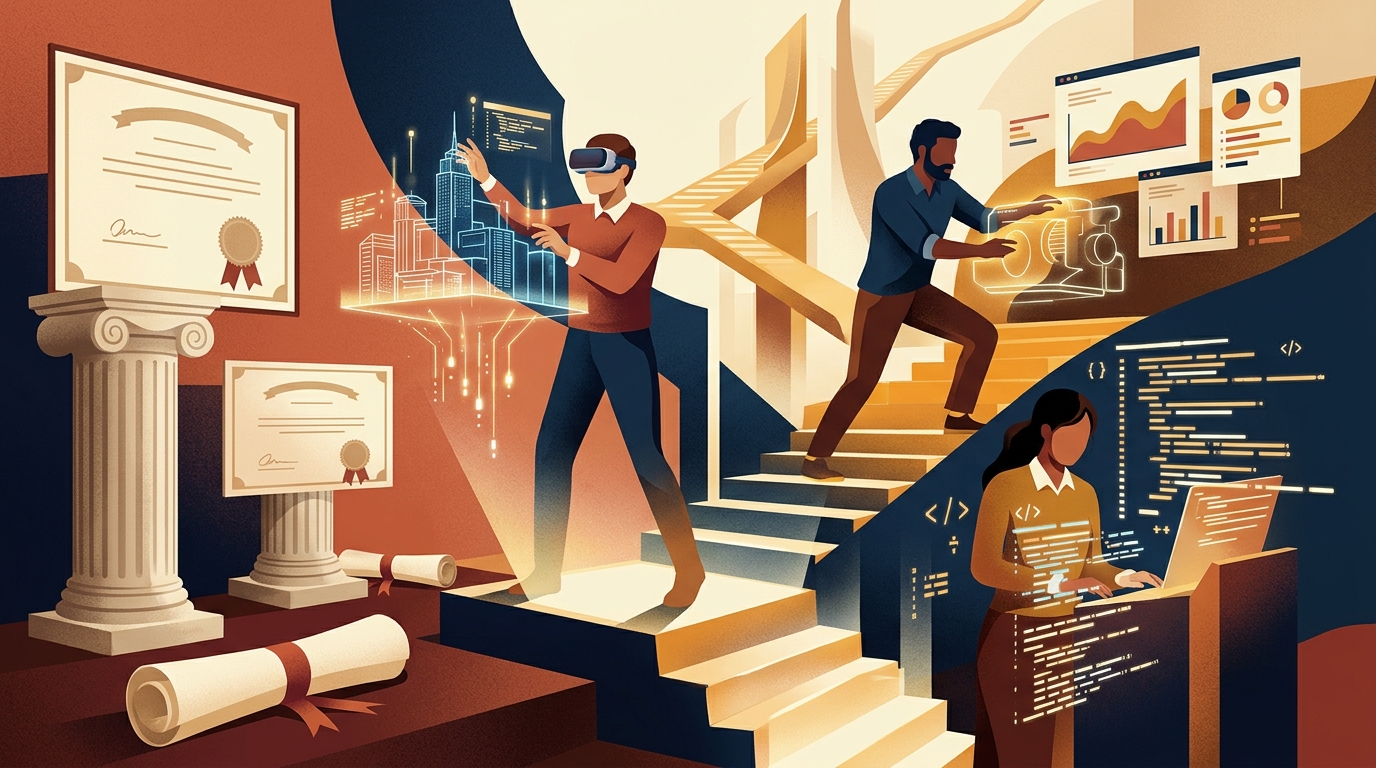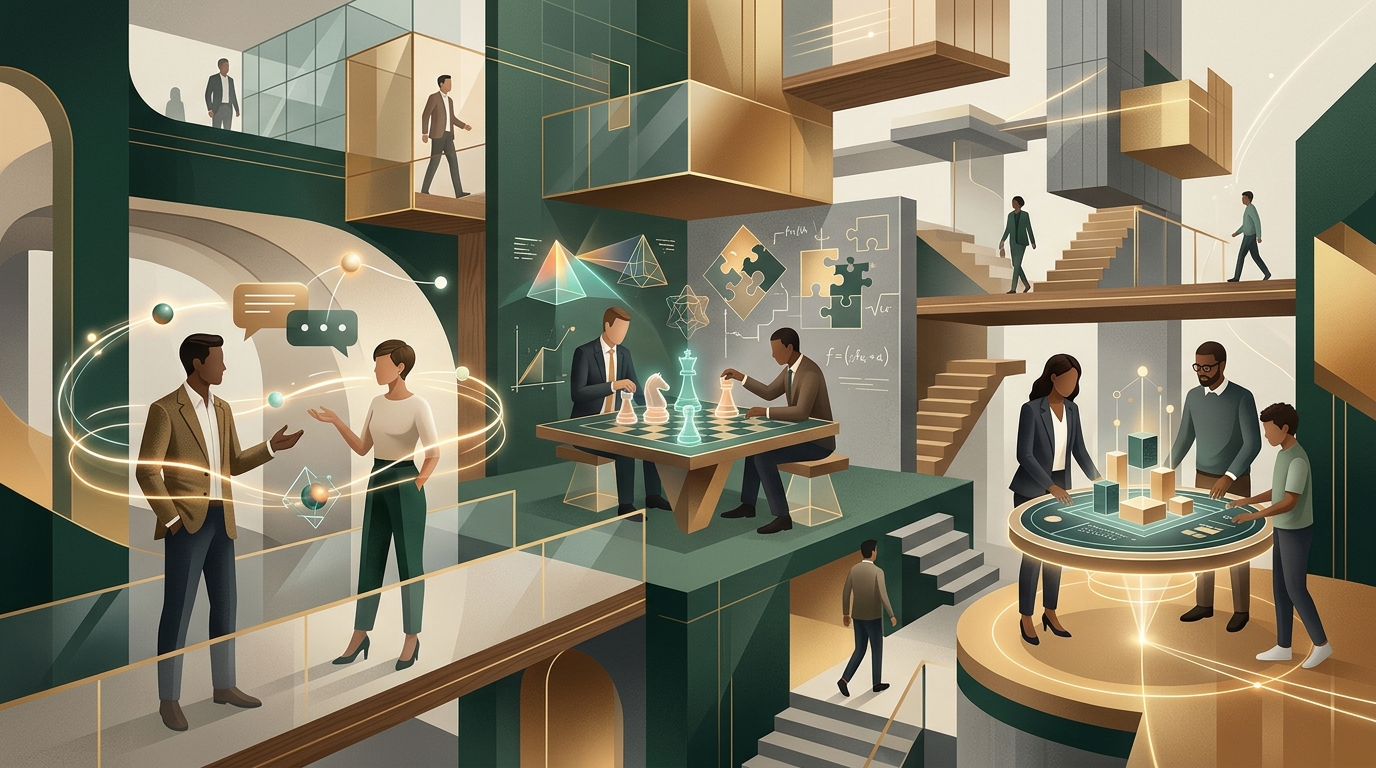
In an era reshaped by artificial intelligence, automated workflows, and relentless technological disruption, the fundamental rules of personal and professional accomplishment have shifted irrevocably. We have entered the 'Game of Skills'—a dynamic landscape where raw technical know-how is merely the entry ticket, while soft skills determine long-term relevance, adaptability, and leadership.
For decades, conventional education placed exclusive emphasis on hard technical expertise: memorising formulas, writing syntax, or mastering domain-specific routines. While foundational competence remains essential, machines and automated algorithms now execute routine cognitive tasks with astonishing speed. What cannot be automated, replicated, or outsourced are the deeply human faculties that turn individual talent into collective value.
1. Communication: The Great Value Multiplier
Foremost among these is Communication Skills. The finest conceptual breakthrough remains inert if its creator cannot articulate its value with clarity, persuasion, and empathy. Articulate speech, active listening, and concise writing bridge gaps across cultures, cross-functional teams, and organizational tiers, translating complex ideas into decisive collective action.
2. Critical Thinking in an Age of Synthetic Certainty
Equally paramount is Critical Thinking. In an environment flooded with unfiltered data and synthetic answers, the capacity to question assumptions, discern credibility, dissect intricate dilemmas, and synthesise nuanced perspectives is what distinguishes true strategists from passive observers.
"In this modern game of skills, those who invest deliberately in their communication, emotional intelligence, and collaborative mindset will not merely survive change—they will orchestrate it."
3. Collaboration and Collective Intelligence
Moreover, modern breakthroughs rarely emerge in isolation. They demand robust Interpersonal Competence and Collaboration. The ability to navigate diverse personalities, resolve friction constructively, and cultivate psychological trust within teams is what transforms high-performing groups into cohesive powerhouses. When professionals communicate thoughtfully and think critically together, mutual synergy magnifies every outcome.
4. Orchestrating Change
Technical tools will undoubtedly continue to evolve, become obsolete, and reinvent themselves every few years. The real competitive edge is not tied to a temporary toolset, but to your behavioral adaptability and interpersonal mastery. Ultimately, mastering this game is about cultivating character, intellectual agility, and genuine human connection.